How we backfill years of data on day one
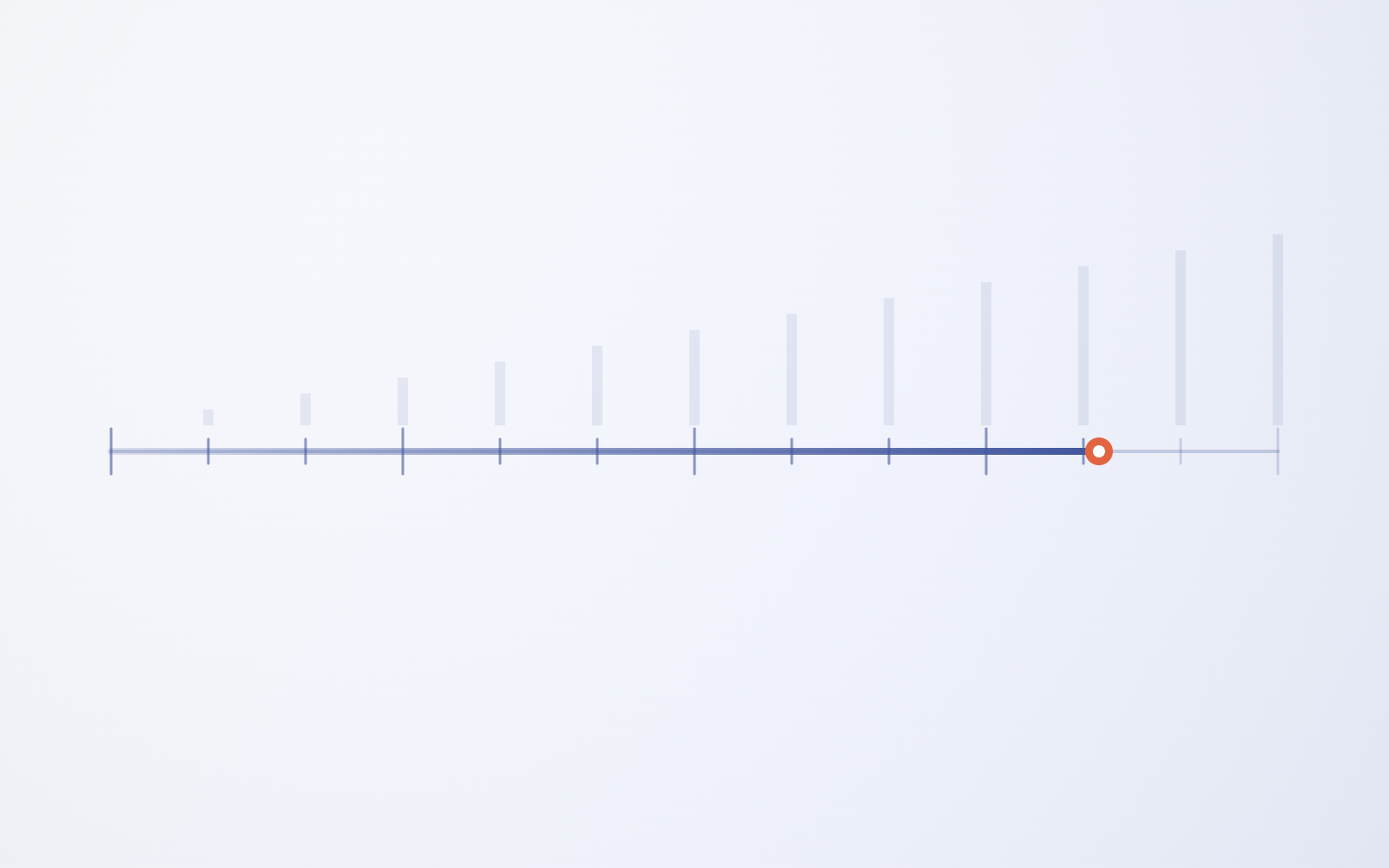
Most analytics tools start counting the day you install them. That’s a quietly expensive default: it means your first real cohort analysis is months away, and every “trend” is guesswork until enough time passes. We refuse to start from zero.
On day one, a new Plumb account already has years of history in it. Here’s why that matters and how we do it.
Why history matters immediately
Cohorts, payback, seasonality: none of them mean anything without a past to compare against. A tool that begins today can’t tell you whether this quarter’s CAC is high or normal, because it has never seen a normal quarter. Retention is a story about time, and you can’t tell it from a standing start.
How the backfill works
Every source we connect to keeps history: ad platforms hold years of spend, billing systems hold the full revenue ledger. We pull the complete record from each, run it through the same joining and deduplication as live data, and land it on one schema. The past is reconstructed to the same standard as the present, so a two-year-old cohort is as trustworthy as yesterday’s.
Then it stays live
Backfill is only half of it. After the initial load, an incremental daily sync keeps every source current, so history and today live in one continuous timeline. You can compare any period to any other from the first login. No waiting for the tool to “learn” your business.