Why cohorts beat averages, every time
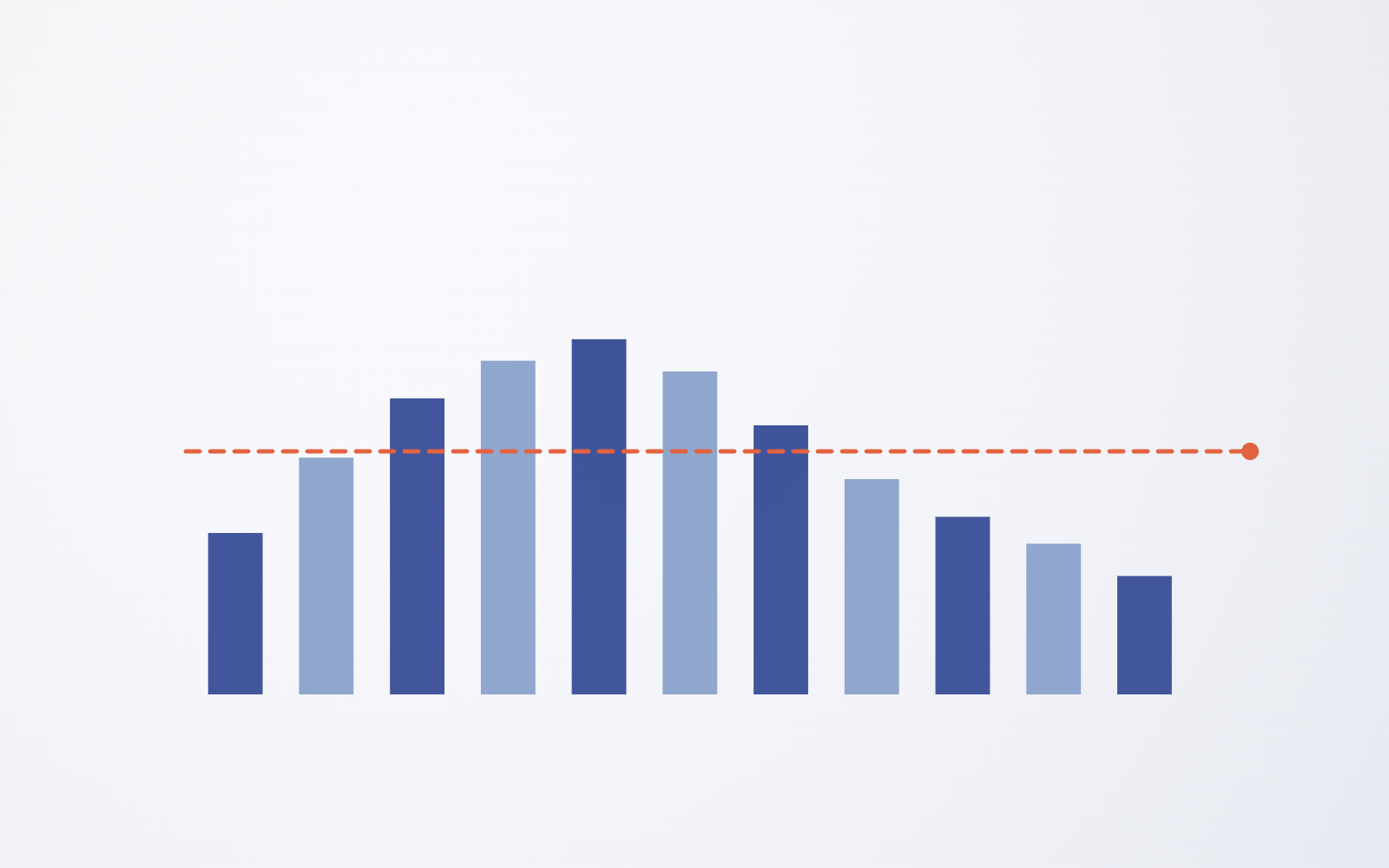
A blended average is a comfortable number. It’s also the one most likely to send you spending in the wrong direction, because it quietly mixes together customers who have nothing in common except the month they showed up.
The problem isn’t that averages are inaccurate. It’s that they answer the wrong question (“how are we doing overall?”) when the decision in front of you is almost always “how is this group doing?”
The blended number lies by omission
Say last quarter’s customers churn faster than the quarter before. A rising overall average can hide that completely, propped up by a strong older cohort that’s still paying. The headline looks healthy while the thing you just spent money to acquire is quietly underperforming.
A cohort remembers when it arrived
Group customers by when they joined and each group carries its own story: what it cost to acquire, how it retained, what it’s worth now. Suddenly you can see that January’s cohort pays back in four months and April’s hasn’t at all, a distinction the average erases entirely.
What you do differently
You stop reacting to the blended line and start reading the trend across cohorts. Acquisition quality, payback, retention: each one visible per group, on any dimension you choose. The average tells you the past. Cohorts tell you where it’s heading.