The lead three systems can’t agree is one person
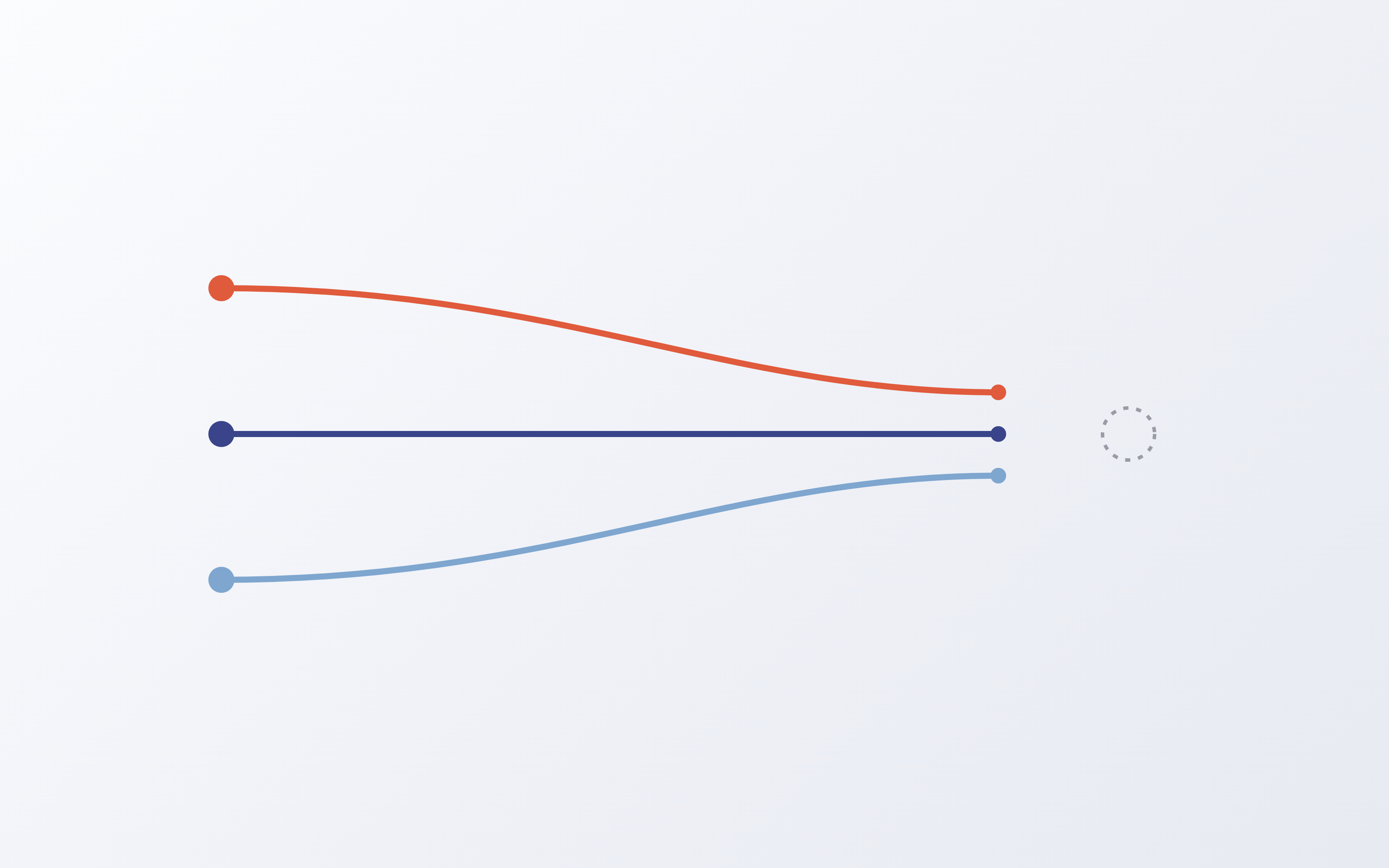
A growth lead once asked us a question that should have been simple: how many leads did we actually get last month? Her Meta account said one number. Her CRM said a smaller one. Her billing system, where the money actually shows up, said something smaller still. Three systems, three answers, and no way to tell which was right.
The reason isn’t sloppiness. It’s that a single human moves through your stack wearing a different name badge at every step. In Meta they’re a click with a campaign ID. In your CRM they’re an email and a lead ID. In billing they’re a customer with a payment token. Nothing carries the same identifier from one system to the next, so the same person gets counted once, twice, or not at all, depending on where you look.
Where the match breaks
The break usually hides in the handoffs. A lead fills in a form from a Meta ad, but the campaign ID never makes it into the CRM record. The CRM opens a fresh row for a returning lead instead of updating the old one. Billing keys off an email the customer has since changed. Each system is internally consistent and externally blind, and the gaps compound: by the time revenue lands, the thread back to the ad that started it has been cut in three separate places.
So “number of leads” stops being a fact and becomes a matter of which system you happened to ask.
Deduplication is the quiet half of the work
People assume the hard part of analytics is the dashboard at the end. It isn’t. It’s the matching underneath: deciding that this click, that CRM record, and this payment are the same person, and doing it reliably across millions of rows where the obvious keys don’t line up. That means resolving identity on the signals you do have, such as email, phone, device, timing, and campaign parameters, and then cleaning the duplicates, the renamed records, and the leads that were deleted and recreated.
Get it right and a click on a Meta ad can be tied to a paying customer months later. Get it wrong and every metric downstream quietly inherits the error.
What “one customer” is worth
When the match holds, the arguments stop. Marketing, finance, and operations stop quoting three different lead counts, because there is one number they all trust, and it traces cleanly from the ad that earned the lead to the revenue that lead became. That is the point of the whole exercise: not a tidier report, but a single version of each customer that every team can stand on.
If your systems can’t agree on how many customers you have, that is where we start. Talk to the team and bring the number you can’t trust.